
Guides

Flat vector illustration of one large video model connected to four smaller alternative models

Veo 3 Alternatives: What I Actually Use When Veo Is Overkill

Veo 3.1 is the best all-round model and the most expensive way to find out your hook doesn't land. Kling, Seedance, Runway and Wan compared on what each is genuinely better at.

Read moreabout Veo 3 Alternatives: What I Actually Use When Veo Is Overkill

Flat vector illustration of two video frames side by side with motion arcs and camera paths

Seedance vs Kling: Which One Should You Actually Render With?

I render daily with Seedance and reach for Kling when a shot has to carry the piece. Here is the real split on cost, motion, vertical output and the two-line rule that picks one.

Read moreabout Seedance vs Kling: Which One Should You Actually Render With?

Flat vector illustration of two AI avatar presenter cards side by side separated by a divider

HeyGen vs Synthesia in 2026: One Question Decides It
I pay for both. Here is where HeyGen wins, where Synthesia wins, what each really costs once re-renders are counted, and the single question that picks one in thirty seconds.

Read moreabout HeyGen vs Synthesia in 2026: One Question Decides It

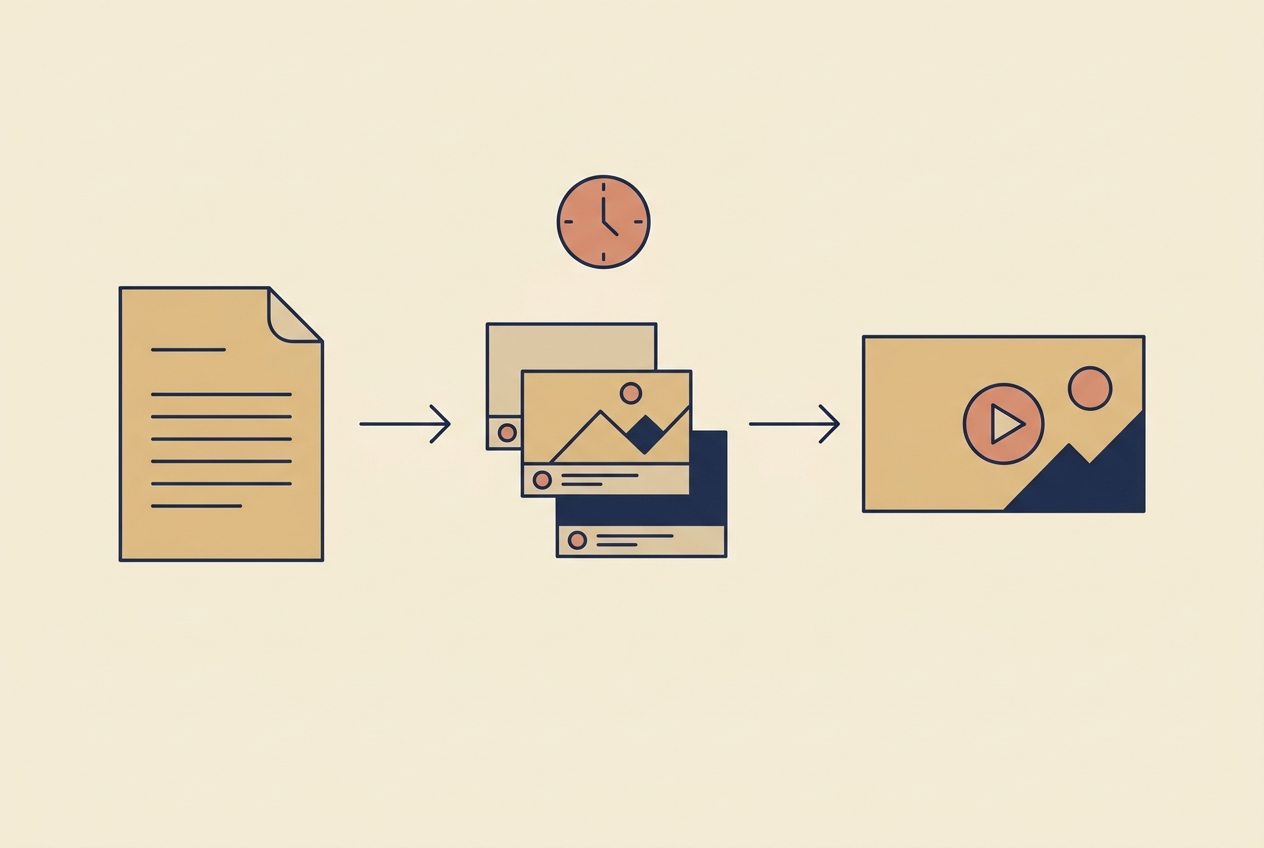
Flat vector illustration of a script page, a stack of shot cards and a finished video frame

LTX Studio in 2026: When a Storyboard Tool Beats a Better Model

LTX Studio is a production environment, not a shot generator. Here is the four-shot threshold where that structure starts paying, where it is pure overhead, and how the re-renders actually bill.

Read moreabout LTX Studio in 2026: When a Storyboard Tool Beats a Better Model

Flat vector illustration of a vertical phone frame with motion arcs and a short video timeline

Pika AI in 2026: What Its Effects Are Actually Good For
Pika's edge is not realism, it is the named one-click effects. I run a daily short-form pipeline on two brands - here is the job Pika actually wins, where it breaks, and how to budget it.

Read moreabout Pika AI in 2026: What Its Effects Are Actually Good For

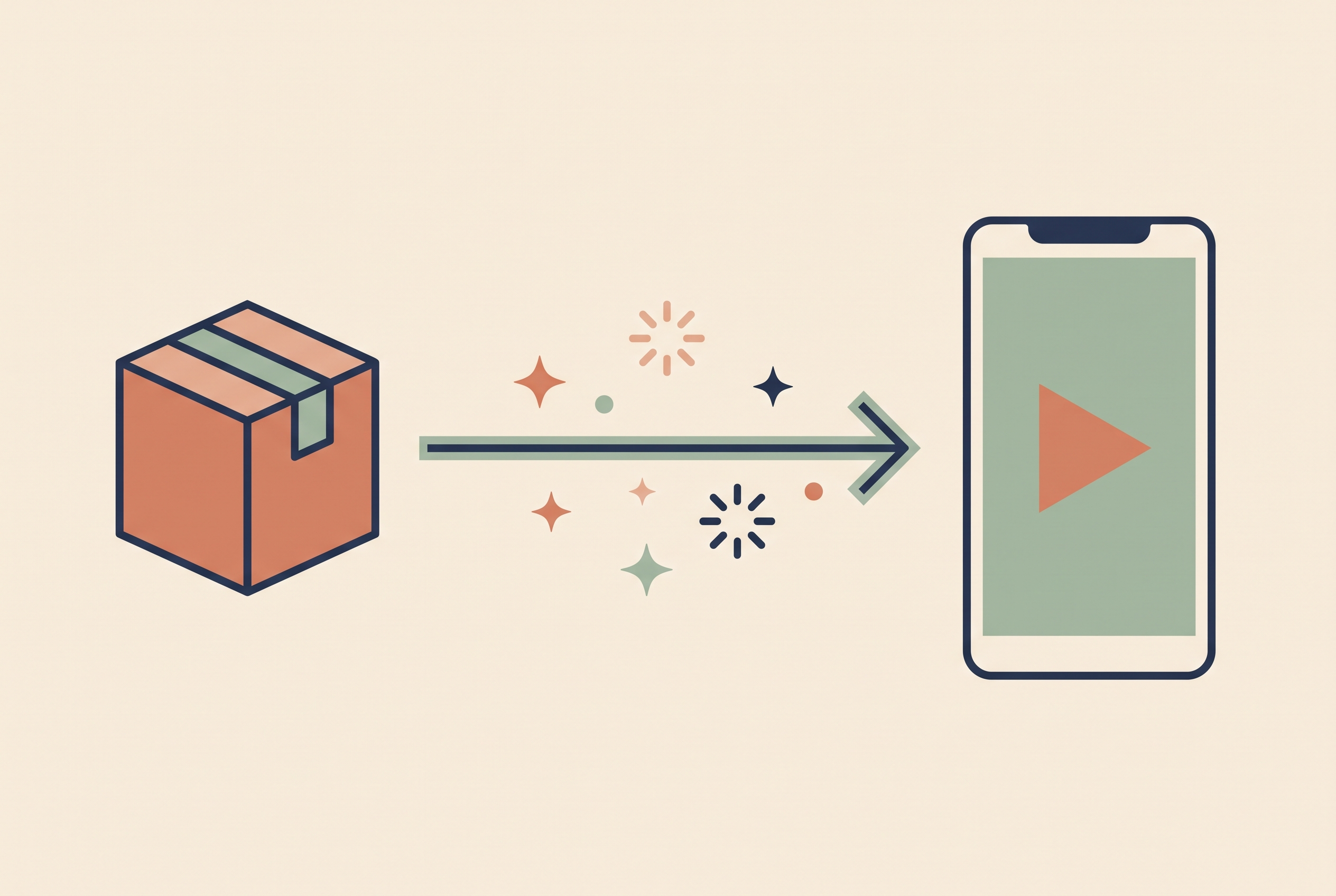
Flat vector illustration of a product box turning into a vertical video advert

TopView AI in 2026: Product-to-Ad Automation, Tested on a Live Store

TopView turns a product URL into a finished UGC ad in one step. I ran that promise against a real clothing catalogue for a month. What it got right, what it got wrong, and what the output still needs before it can be published.

Read moreabout TopView AI in 2026: Product-to-Ad Automation, Tested on a Live Store

Flat vector illustration of a video frame rendering in sequence with motion lines

Vidu AI in 2026: What It Is Good At, and Where It Falls Down

Vidu AI is fast and cheap for reference-consistent shots, and weak where most ad work actually lives. Here is what the reference feature really does, what a month costs, and the three jobs I still send elsewhere.

Read moreabout Vidu AI in 2026: What It Is Good At, and Where It Falls Down

Flat vector funnel narrowing from nine raw AI clips down to a single winning ad

AI UGC Ads: The Format, the Numbers, and What Still Fails

AI UGC ads are the AI video format that actually converts. The three-beat structure, the real cost-per-acquisition numbers from two live brands, the three-a-day ceiling, and the cases where a real creator still wins.

Read moreabout AI UGC Ads: The Format, the Numbers, and What Still Fails

Flat vector chart of six rising Hailuo subscription tiers with credit tokens stacked above each

Hailuo AI Pricing in 2026: What a Credit Actually Buys

Hailuo AI sells credits, not minutes — and the same credit buys wildly different amounts of video depending on your settings. Here is the tier ladder, the no-rollover trap, and how to compare cost per second properly.

Read moreabout Hailuo AI Pricing in 2026: What a Credit Actually Buys